
A Comprehensive Introduction to Drone Systems, UAV Engineering, and Modern Drone Innovation
Introduction
Over the last two decades, Drone Technology has evolved from a niche military tool into one of the most transformative technological ecosystems of the modern world. Today, drones, also known as UAVs (Unmanned Aerial Vehicles), are used in industries ranging from agriculture and construction to filmmaking, logistics, disaster response, and scientific research.
The rapid expansion of Drone Systems has been driven by advancements in electronics, robotics, sensors, artificial intelligence, and energy storage technologies. As a result, drones have become smaller, smarter, and more capable than ever before.
This Complete Guide to Drone Technology aims to provide a foundational understanding of the modern drone ecosystem. Whether you are a beginner exploring what a drone is, an enthusiast interested in drone components, or a professional seeking insight into drone engineering and innovation, this guide will help you understand how drones work and why they are shaping the future of aerial technology.
In this pillar article, we will explore:
• What a drone is and how UAVs are defined
• The different types of drones used across industries
• The essential drone components that make flight possible
• The principles of drone engineering and drone systems design
• The latest trends in drone innovation
What is a Drone?
Definition of a Drone
A drone is an unmanned aircraft capable of flying without a human pilot onboard. Instead of being controlled directly from inside the vehicle, drones operate using a combination of:
• Remote control systems
• Autonomous flight software
• GPS navigation
• Onboard sensors and processors
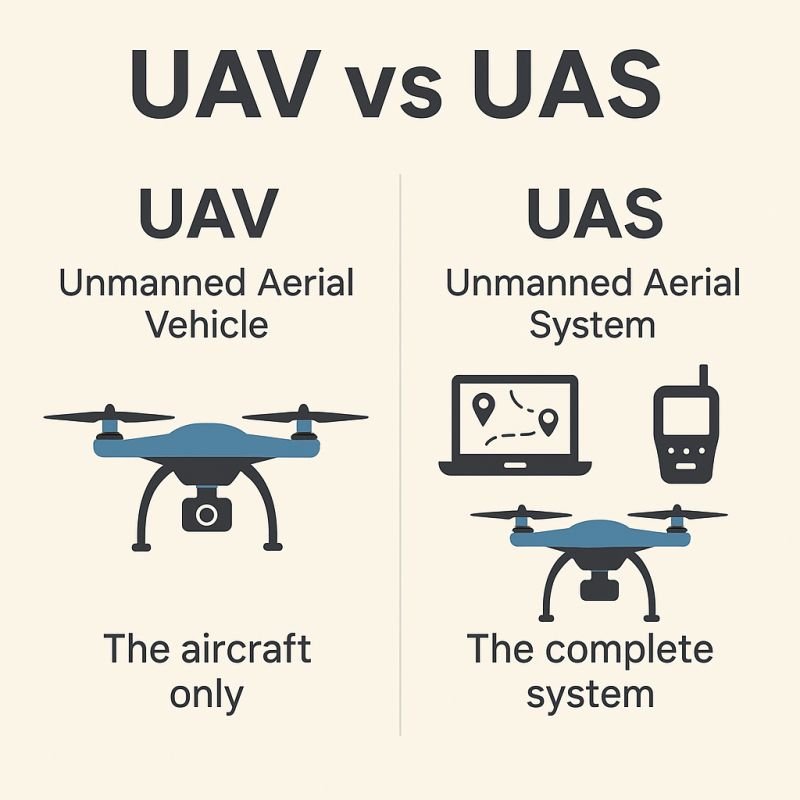
The formal technical term for a drone is UAV (Unmanned Aerial Vehicle). In broader technological contexts, the term UAS (Unmanned Aircraft System) is also used. A UAS includes not only the aircraft itself but also the supporting infrastructure such as ground control stations, communication links, and mission software.
Modern Drone Systems are therefore much more than flying machines—they are integrated networks of hardware, software, and communication technologies.
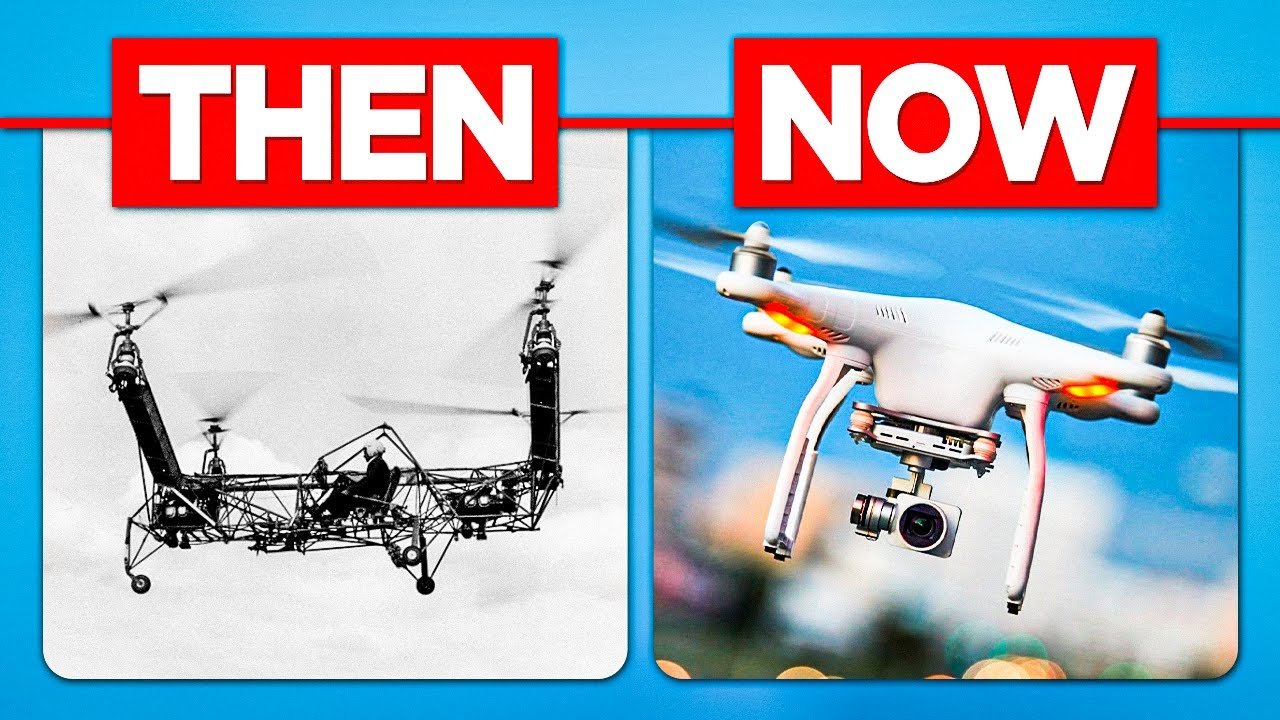
Evolution of Drone Technology
The concept of unmanned aircraft dates back more than a century. Early experimental UAVs appeared during World War I as radio-controlled aircraft used for target practice.
However, the true revolution in Drone Technology began in the early 2000s when several technological breakthroughs occurred simultaneously:
• Lightweight lithium batteries
• Miniaturized sensors (gyroscopes, accelerometers)
• Advanced flight controllers
• Affordable GPS modules
• Compact high-resolution cameras
These innovations allowed engineers to design compact multirotor drones capable of stable and autonomous flight.
Today, the global drone ecosystem represents one of the fastest-growing sectors in robotics and aerospace engineering.
UAV vs Drone: Is There a Difference?
Although the terms Drone and UAV are often used interchangeably, there are subtle distinctions:
Drone
A general term used by the public and media to describe unmanned flying machines.
UAV (Unmanned Aerial Vehicle)
A technical and engineering term referring specifically to the aircraft itself.
UAS (Unmanned Aircraft System)
The complete operational system including the drone, control station, communication links, and software.
For most practical discussions in the drone industry, drone and UAV refer to the same flying platform.
Drone Types
One of the most important aspects of Drone Engineering is understanding the different types of drones and how their designs serve different purposes.
Drones can be classified based on several factors:
• Aerodynamic structure
• Size and weight
• Flight endurance
• Mission capabilities
Below are the main categories of drones used in modern Drone Systems.
Multirotor Drones
Multirotor drones are the most common type of drone in the world.
These drones use multiple propellers arranged around a central frame to generate lift and control movement.
Common configurations include:
• Quadcopters – four motors
• Hexacopters – six motors
• Octocopters – eight motors
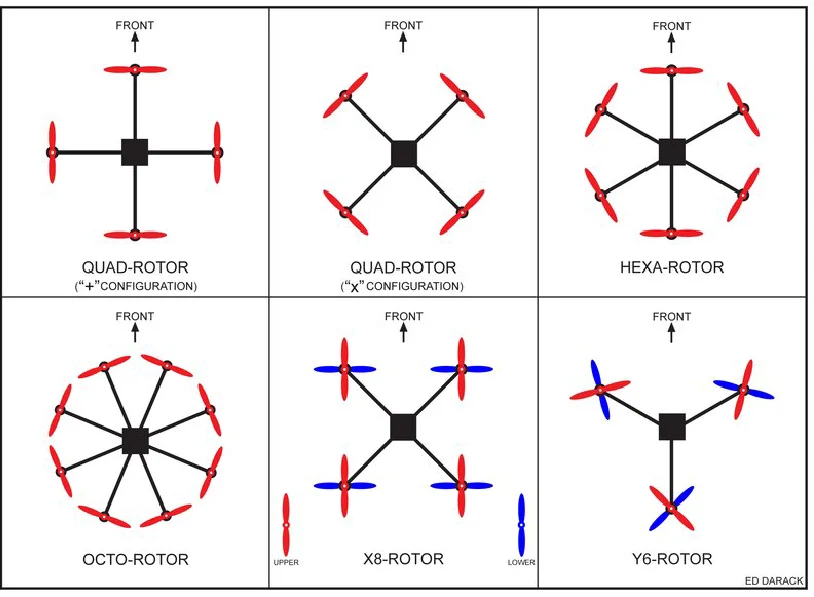
Multirotor drones are widely used because they offer:
• Vertical takeoff and landing (VTOL)
• Excellent stability
• Precise maneuverability
• Simple mechanical design
Applications include:
• Aerial photography
• Infrastructure inspection
• Agricultural monitoring
• Drone racing
• Scientific data collection
However, multirotor drones generally have limited flight endurance, usually between 15 and 45 minutes depending on battery capacity.
Fixed-Wing Drones
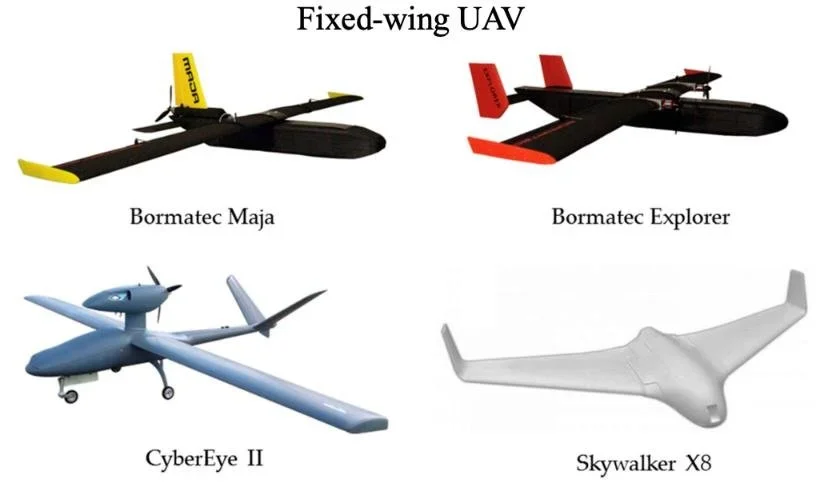
Unlike multirotor drones, fixed-wing UAVs resemble traditional airplanes.
Instead of relying on propellers to generate lift vertically, fixed-wing drones use aerodynamic wings to stay airborne while moving forward.
Advantages include:
• Much longer flight endurance
• Higher flight speeds
• Greater range
Some professional fixed-wing drones can remain airborne for several hours and cover hundreds of kilometers.
Typical applications include:
• Mapping and surveying
• Environmental monitoring
• Military reconnaissance
• Border surveillance
The main disadvantage is that fixed-wing drones require runways or launch systems to take off and land.
Hybrid VTOL Drones
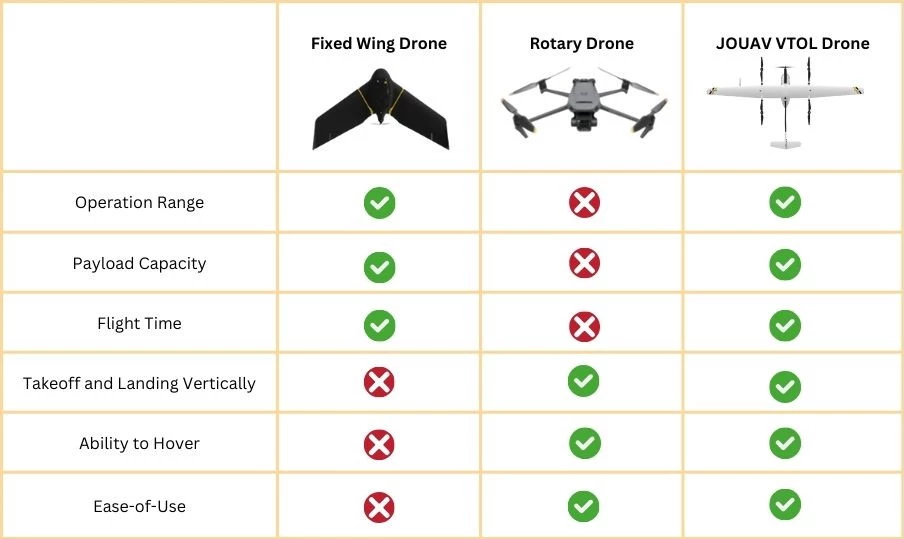
Hybrid drones combine the advantages of multirotor drones and fixed-wing aircraft.
These systems use vertical propellers for takeoff and landing but switch to fixed-wing flight for efficient cruising.
This category represents one of the most exciting areas of Drone Innovation.
Hybrid drones are especially useful for:
• Long-distance mapping
• Delivery missions
• Environmental monitoring
• Scientific exploration
Single Rotor Helicopter Drones
Some UAVs use a single large rotor, similar to traditional helicopters.
These drones can carry heavier payloads and achieve longer flight times than multirotor drones.
Advantages include:
• High lifting capacity
• Efficient hovering
• Long flight endurance
However, helicopter drones are mechanically complex and require more advanced Drone Engineering.
Nano and Micro Drones
At the opposite end of the spectrum are nano drones and micro UAVs, some of which are only a few centimeters wide.
These tiny drones are used for:
• Indoor inspections
• Military reconnaissance
• Scientific experiments
• educational robotics
Advances in Drone Technology are pushing these platforms toward fully autonomous swarm systems.
Drone Components
Understanding Drone Components is essential for anyone interested in Drone Systems or Drone Engineering.
Although drones vary widely in size and complexity, most UAVs share a common set of core components.
Drone Frame
The frame is the structural skeleton of the drone.
It supports all other components including motors, electronics, sensors, and payloads.
Drone frames are typically made from:
• Carbon fiber
• Aluminum alloys
• Composite materials
• High-strength plastics
The design of the frame directly affects:
• Stability
• Weight distribution
• Aerodynamic performance
Motors and Propellers
Motors and propellers are responsible for generating the thrust that allows the drone to fly.
Most modern drones use brushless electric motors because they offer:
• High efficiency
• Low maintenance
• Excellent power-to-weight ratio
The propellers convert motor rotation into aerodynamic thrust.
The number, size, and pitch of propellers influence:
• Lift capacity
• Flight efficiency
• Noise levels
Electronic Speed Controllers (ESC)
ESCs regulate the power supplied to each motor.
They receive commands from the flight controller and adjust motor speed accordingly.
ESC performance affects:
• Drone responsiveness
• Stability
• power efficiency
High-performance drones use advanced ESC protocols such as DShot or CAN-based systems.
Flight Controller
The flight controller is the brain of the drone.
This small computer processes sensor data and stabilizes the aircraft during flight.
A flight controller typically integrates:
• Gyroscopes
• Accelerometers
• Barometers
• Magnetometers
Using these sensors, the flight controller calculates the drone’s orientation and automatically adjusts motor speeds to maintain stable flight.
Popular flight controller platforms include:
• ArduPilot
• PX4
• Betaflight
Power System
The power system supplies energy to the drone.
Most consumer and professional drones use lithium-polymer (LiPo) batteries because they provide high energy density and strong discharge rates.
However, new innovations are emerging, including:
• Lithium-ion battery systems
• Hydrogen fuel cells
• Hybrid gasoline generators
These technologies aim to extend flight endurance, which remains one of the main challenges in Drone Technology.
Navigation and Positioning Systems
Modern drones rely heavily on GPS and GNSS navigation systems.
These systems allow drones to:
• Maintain position in the air
• Follow programmed routes
• Return to home automatically
Advanced drones combine GPS with additional sensors such as:
• RTK positioning modules
• Optical flow sensors
• LiDAR systems
This enables highly precise navigation, even in complex environments.
Communication Systems
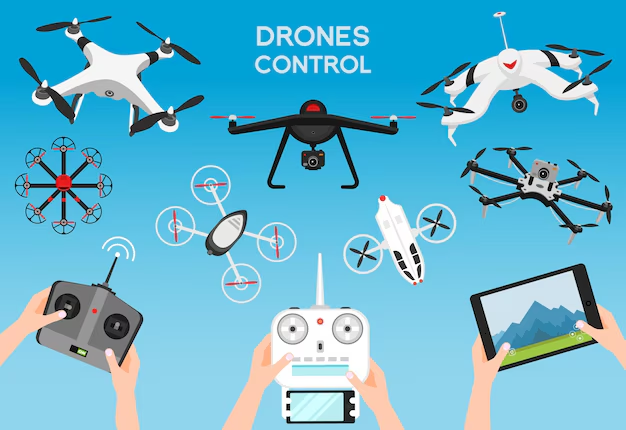
Communication systems allow the drone to interact with the ground control station.
These systems transmit:
• Control commands
• Telemetry data
• video feeds
Common communication technologies include:
• 2.4 GHz and 5.8 GHz radio links
• LTE / 5G cellular networks
• Satellite communication systems
Reliable communication is essential for safe and effective Drone Systems operation.
Payload Systems
The payload is the equipment carried by the drone to perform its mission.
Common payloads include:
• Cameras
• Thermal sensors
• LiDAR scanners
• Agricultural spraying systems
• delivery packages
The ability to carry specialized payloads is one of the key drivers of Drone Innovation.
Drone Systems and Integration
A drone is not just a flying device. It is part of a larger technological ecosystem.
A complete Drone System includes:
• UAV aircraft
• Ground control station
• communication networks
• mission planning software
• data processing systems
These elements work together to create a fully operational aerial platform.
Drone Engineering Challenges
Designing modern UAVs requires solving several complex engineering challenges:
• Energy efficiency
• autonomous navigation
• communication reliability
• safety and redundancy
• regulatory compliance
Engineers must carefully balance weight, power consumption, and aerodynamic efficiency.
The Future of Drone Innovation
The next decade will bring major breakthroughs in Drone Technology.
Several trends are shaping the future of the industry:
Artificial Intelligence
AI is enabling drones to make autonomous decisions during flight.
Swarm Robotics
Multiple drones cooperating as coordinated fleets.
Urban Air Mobility
Drone taxis and autonomous passenger aircraft.
Autonomous Logistics
Package delivery drones operating in large networks.
Environmental Monitoring
Drones collecting real-time environmental data.
These innovations will redefine transportation, logistics, and data collection worldwide.
Conclusion
Drones have evolved into one of the most powerful technological tools of the 21st century. What began as experimental UAV prototypes has become a global industry influencing agriculture, infrastructure, logistics, science, and entertainment.
Understanding Drone Technology, Drone Systems, and Drone Engineering is essential for anyone interested in the future of robotics and aerial innovation.
As sensors, batteries, artificial intelligence, and communication networks continue to improve, drones will become even more capable and accessible.
The next generation of Drone Innovation will not only change how machines fly—it will change how humans interact with the skies.